My Story + What is the ACMG Training & Assessment Program?

There it is. The email in my inbox with the subject line [ACMG Training and Assessment]. I couldn’t help but feel a slight tremor in my gut, a subtle feeling that was bracing my mind for a negative outcome. “Can I really bare waiting a whole other year to re-apply?” ”Have I made this right decision?” I clicked on the link and read the first words “Congratulations” – it was all I needed to read.
The Association of Canadian Mountain Guides or the ACMG is [… the professional association of trained and certified Mountain Guides, Hiking Guides and Climbing Instructors dedicated to protecting public safety and enjoyment in climbing, skiing and hiking adventures.]. In other words, it’s the certifying and instructional agency that trains, examines, and ultimately qualifies guides who go on to, yes guide and work in a multitude of mountain-based industries in Canada and abroad.
The ACMG Training and Assessment Program (TAP) is essentially the path to getting certified, which is sort of like doing post-graduate degree in length (3-6+ years). The TAP program is a long enough process once you start, but equally long is the process of deciding to even pursue it. For me, I’d spent the better part of 4-years idly thinking about going down the “guiding path”, and every time I would click through the requirements, think about the cost and time it would take to complete, compare that to the overall pay and outcome of a guide and decide, “nope, not for me”. However, after 4-years of thinking about it again and again, I realized I might as well dip my toes and truly see if this is something worth pursing, for the simple reason of “why not?”
Truth is, I’m already 31. While this may sounds like a spring chicken to some (likely not), to me it feels a little late to the game. By and large, each one of these pillars I’ll describe below require a tremendous amount of fitness, a lot of free time to build skills and experiences, flexibility to be away from home for long stretches of time, and finances. Besides the money part, most of the other things become increasingly difficult as you get older – increasing commitments make it difficult to have flexibility from relationships and work. The program itself is quite expensive (roughly $55K+ to become fully certified) and the final pay rate isn’t through the roof, quite simply: it’s a pursuit of passion. Not to mention the subtle fact that I have noticed as I get older that my risk tolerance is lowering and pushing the boundaries of my comfort zone is becoming increasingly less natural.
Now, if you’re reading this you’re either familiar with the ACMG, the TAP program, and the 3-pillars that make up a Mountain Guide OR you are my parents or their friends. So I’ll gloss over the main facts for those in the latter category. The Mountain Guide is the holy grail, the top cheese, the pinnacle, the lofty goal, and the ultimate culmination of mountain skills & experience. In order to become a Mountain Guide you must build experience, showcase, learn, and be examined (in that order) on three disciplines: Ski, Rock, Alpine. Each pillar requires an extensive resume that shows a culmination of your own personal experience, has an apprentice course, apprentice exam, 1-3 period of apprenticeship, and a culminating final exam. You can become a full Ski Guide or a full Rock Guide exclusively if you choose. However, to become a full Alpine Guide you must have your Apprentice Rock, and Apprentice Ski. To become a full Mountain Guide you need your full Ski Guide and full Alpine Guide (which requires your Apprentice Rock Guide). Each pillar requires a Resume which includes a specific number of objectives (backcountry skiing, rock climbing, alpine/ice climbing) within certain difficulty and length parameters. This is not something you can do within a single season. It requires at least (often much more) 3-years of dedicated experience, exposure, and commitment in each discipline in order to fill it up.

While I have been an avid climber and backcountry skier for the last 6-years, I certainly had not been focused on resume building, in fact, I didn’t even really know what was required in a resume. I had been doing a ton of skiing and climbing, but turns out ripping pow’ laps in the trees and sport climbing is not going to cut it! So while I felt I had sufficient technical skills and the fitness, I didn’t quite have a resume (or a historical record that I could remember) that was within the parameters of the ACMG. So this is what I would consider as Step 1: building your resume.
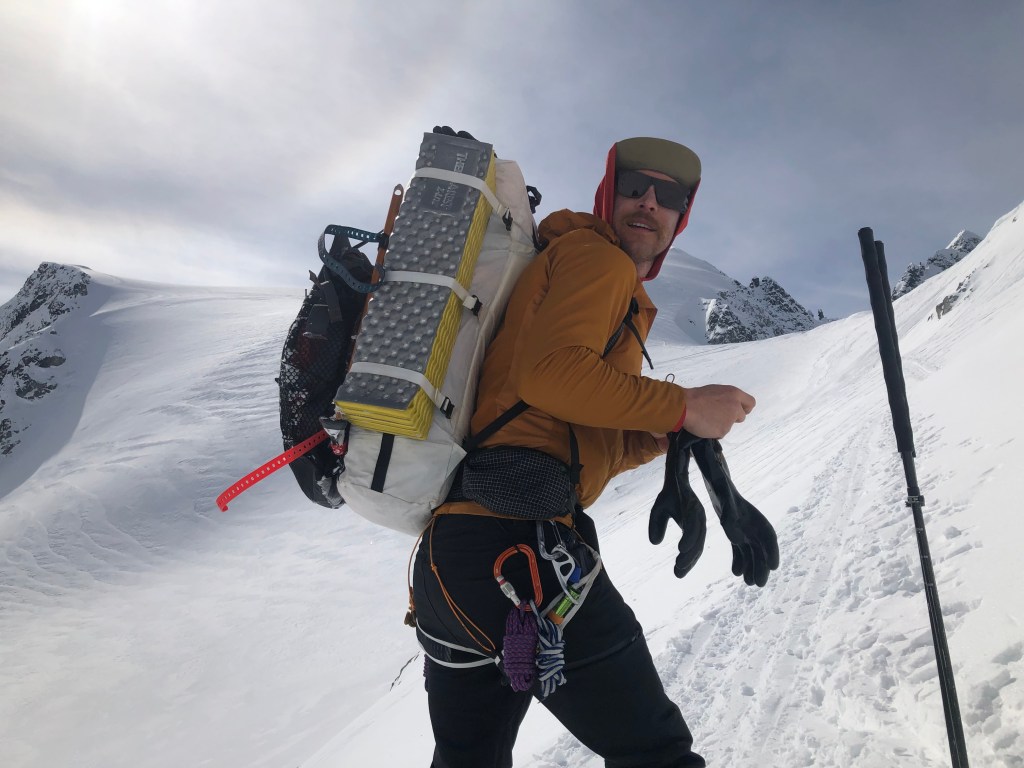


So, where am I? You could say I’m through the very first door and am standing on the first set of interlocking bricks on the yellow brick road – Step 2 in my mind. Like Dorthy, I’ll need courage, heart, and brains of course! So far, I’ve built a rock guiding resume and submitted it to the ACMG before the deadline and I have been accepted into the Guides Training Rock (GTR) course. If successful, it will lead to my Apprentice Rock Guides exam.
Why am I writing all this down? Again, why not? When I was researching this field I didn’t find a ton of information aside from the ACMG content so I figured I might as well create it. This blog will serve as a sort of journal as to my experience going through the program as an individual. I hope to try and convey the difficulties faced, triumphs had, learnables, roses, thorns, and just my perspective on the whole experience. While I’ll certainly be using sub-heading so that you can read onto the technical side of the whole avenue and skip through the mumbo-jumbo, I’ll also include quite a bit of my personal take – with a keen look at the hidden costs, the personal levels of commitment, what’s super sweet, and what to expect outside of the nuts and bolts of the TAP program.
Enjoy!
-TJ
-

The Apprentice Rock Guide’s Exam (Rockies)
The post provides a comprehensive guide to preparing for the ARG Exam (Rockies). It discusses the multiple facets of training effectively, including role playing, climbing, rescue scenarios, and training with various partners and in different weather conditions. It underscores the importance of enjoyment, learning, adaptability, and overcoming stress as key components of the training process.…
-
Guides Training Rock (GTR Rockies)
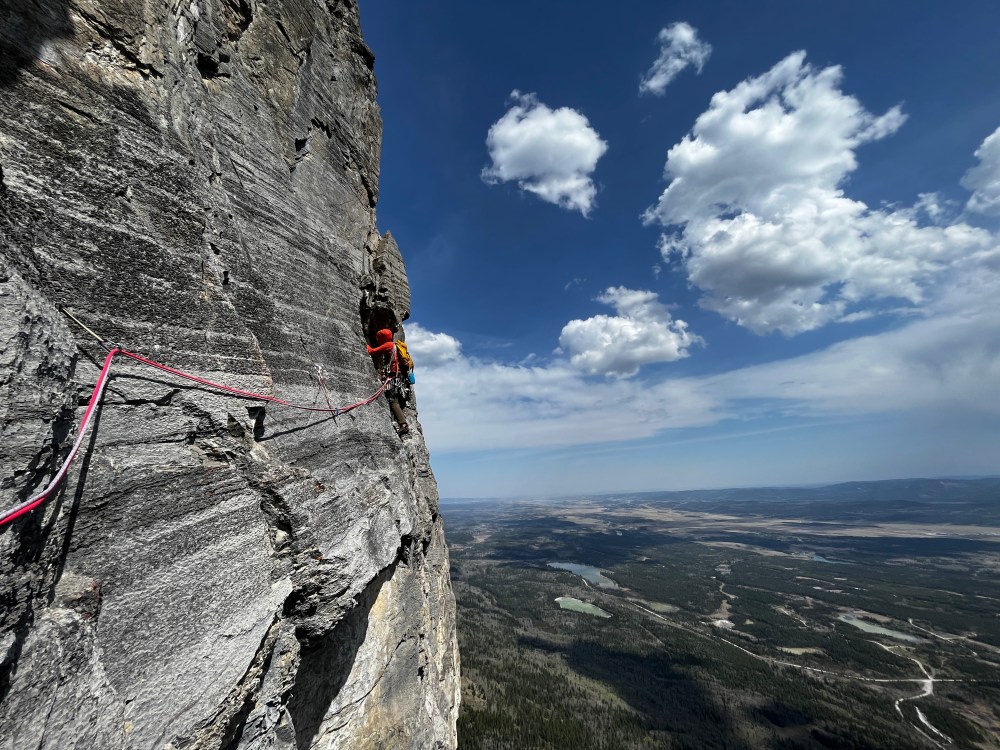
The course is after all, A COURSE. So while you’ll be expected to demonstrate some competencies, mostly the morning consist of you watching and learning as the instructors demo skills & techniques
-
What it took me to get into the Guides Training Rock (GTR)?
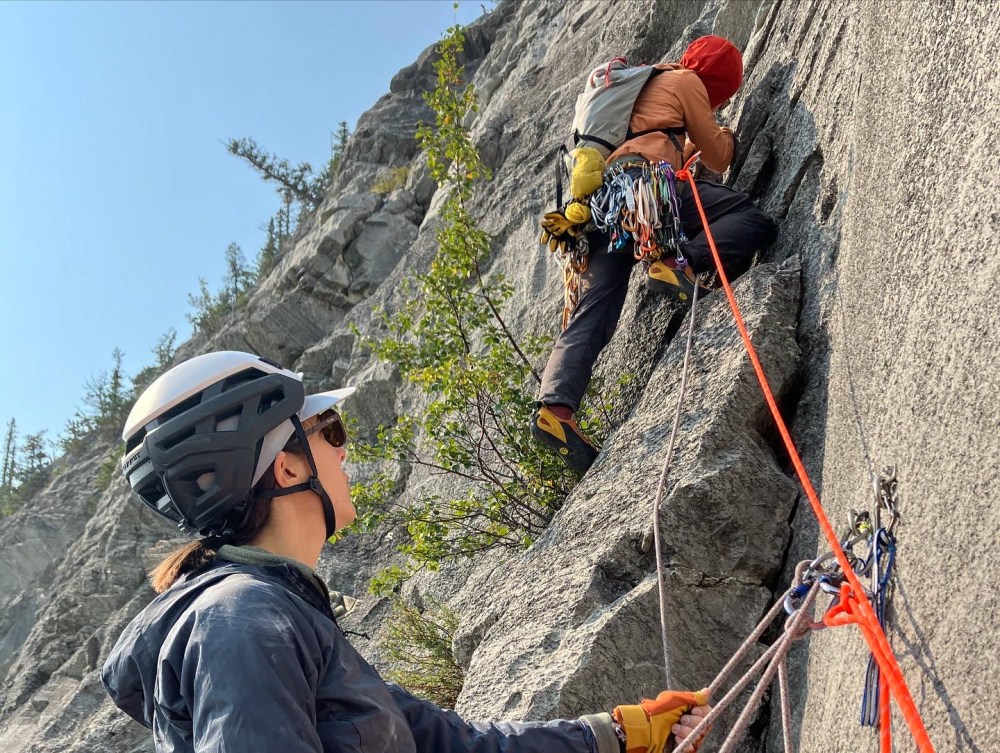
You are going to need partners that are willing to let you take the wheel on objectives, jump on those crux pitches, and are overall supportive & stoked!
 of Backpacks and Beards
Your Dedication and commitment will lead to success. Be safe always
LikeLike