The Course & Screening (Canmore, AB)
What it’s All About
The GTR is a 8.5 day course designed to ensure you are operating within the ACMG climbing guidelines, are privy to any updated and currently techniques and skills, teaching many different tools and techniques, as well as assessing your climbing ability and skill-set in preparation for an examination in the fall.
Honestly, it’s a pretty good time… once the screening day is over that is 😉 I’ll try to provide a run-down of what to expect, and how to best show up for this course.
The Screening
I cannot emphasize enough the importance of being prepared for the screening. Typically this course is held in early June, thus, you should have about 4-6 weeks of decent training weather to get some mileage in the Bow Valley (or get the fingers crankin’ in Skaha). The reason for this is that if you fail your screening, you will not be allowed to lead during any of the multi-pitch days later in the course. This means, no feedback about placements, no feedback about route-finding, no feedback about rope & station management, and truthfully you miss out on a lot of great aspects of the course… not to mention you will not be recommended for the exam. Bummer.
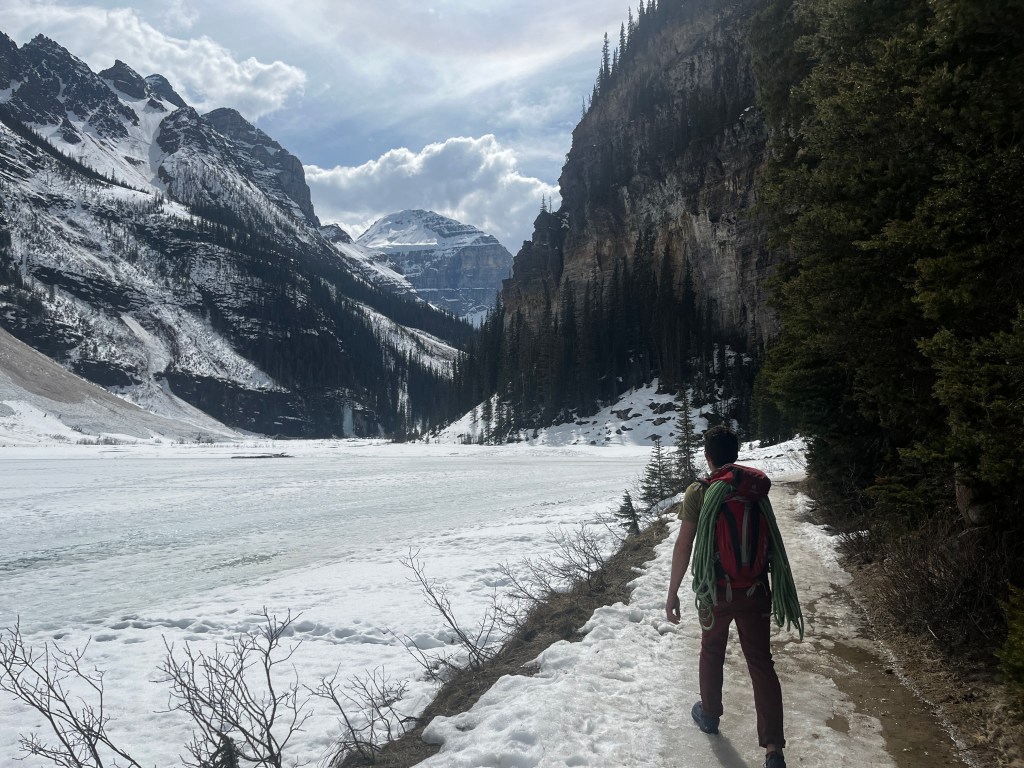


All this being said, on screening day the instructors are there with the best intentions. They want everyone to succeed on the screening and are encouraging and certainly understanding if you have a foot-slip or make a small-error due to nerves. You’ll get an extra chance. However, It does feel rather intense and it can be hard to shake off the feeling of “being watched” – but just take a few breaths and try to remember that we all do this rock climbing thing for fun! So just go do your thing.
Yes, you could clock a few days on Yamnuska, maybe get some limestone cragging in at Heart Creek, some afternoon laps on EEOR… but truthfully, you want to do that after you are absolutely dialed at the Back of the Lake (BOTL). Now, this isn’t gospel and the ACMG could change things up from year-to-year but typically the screening is held at the BOTL since it provides both pure sport & pure gear routes in the expected grade range (5.10 – 5.11-).
The routes have been pretty similar for the last 15+ years so just ask around, reach out to previous candidates/guides and it shouldn’t be too difficult to get an idea of what routes you should focus your attention on.
You want to be able to climb both the sport/gear routes smooth and confidently, but the gear routes are worth paying special attention and making a few notes about critical gear placements, proper piece extension to limit rope drag, and what it takes to build a 3-piece anchor about ¾ of the way up the routes.
During my course, the candidates left the parking lot 30-minutes before the instructors and got one warm-up lap. Then the group split into 2-groups. Half went to the sport area, half to the gear area. You’re expected to climb 2 sport routes (5.10 & 5.11-) and 2 gear routes (5.10- & 5.10+). The gear routes will require you to build an anchor ¾ of the way up, belay an instructor up to check your gear & anchor, and then lower them to the ground before you yourself rappel off your anchor. The next candidate will climb up, take down your anchor and repeat the above process.
The Course
You’ll start receiving some correspondence about the course start a couple months prior to June. This will give you all the information about gear checklists, what to expect, general course outline, your instructors, as well as give you the ability to ask any questions. A few days prior to the course you’ll receive a more specific outline, which includes:
- Day-by-day schedule and order of events
- Day of Screening
- Multi-pitch route selection
- Your climbing partners & guide instructors for the multi-pitch days
In a lot of ways I wish the screening was separate from the course (like the Ski Program is now) but it’s typically held on Day 3 of the course, which means 2-days of trying to focus on the course thinking in the back of your mind about the screening! We got “lucky” with some inclement weather forecast so the screening got bumped to day 2… but just be prepared to have a few days buffer from course start to the screening.
The course is after all, A COURSE. So while you’ll be expected to demonstrate some competencies, mostly the morning consist of you watching and learning as the instructors demo skills & techniques – and the afternoon is where you practice those skills in a coached environment with your fellow candidates.


It’s worth trying to mix it up and do the practice with multiple candidates, you never know what you’re going to learn from someone else. Also, it’s important to spend a bit of time with your proposed climbing partners to build some familiarity and rapport before you’re out multi-pitching together.
The general topics covered over the few days are:
- Am/Pm meetings, including weather reporting, waiver presentation
- Belay’s and anchors: Fixed point belay!
- Gear placements & quality (Including pins and hammer)
- Guide’s kit contents, client discussions
- Gear lifetime, hardgoods vs softgoods, dyneema vs nylon, ropes etc.
- How to set up TR’s, teaching multiple parties
- Lowers, tandem rappels, counterbalance rappel
- 2-rope systems, rope management, technical descents
- Technical rope rescue systems, lowering & hauling systems.
The Multi-Pitch Days
This is what it’s all about. This is where the culmination of everything you’ve learned combines with your own personal skill into a guiding application. Ideally (weather dependent) you get 3-days of coached guiding experience.
These are done in a 2:1 ratio ideally. So you’re paired with another candidate and a guide. You’ll be expected to lead a block of pitches with the guide following 2nd and the other candidate climbing 3rd (typically, it can be reversed). You’ll be expected to lead a:
- Technical descent (rappel)
- First lead (including am meeting, approach, route start)
- Leading a block of pitches (3-4)
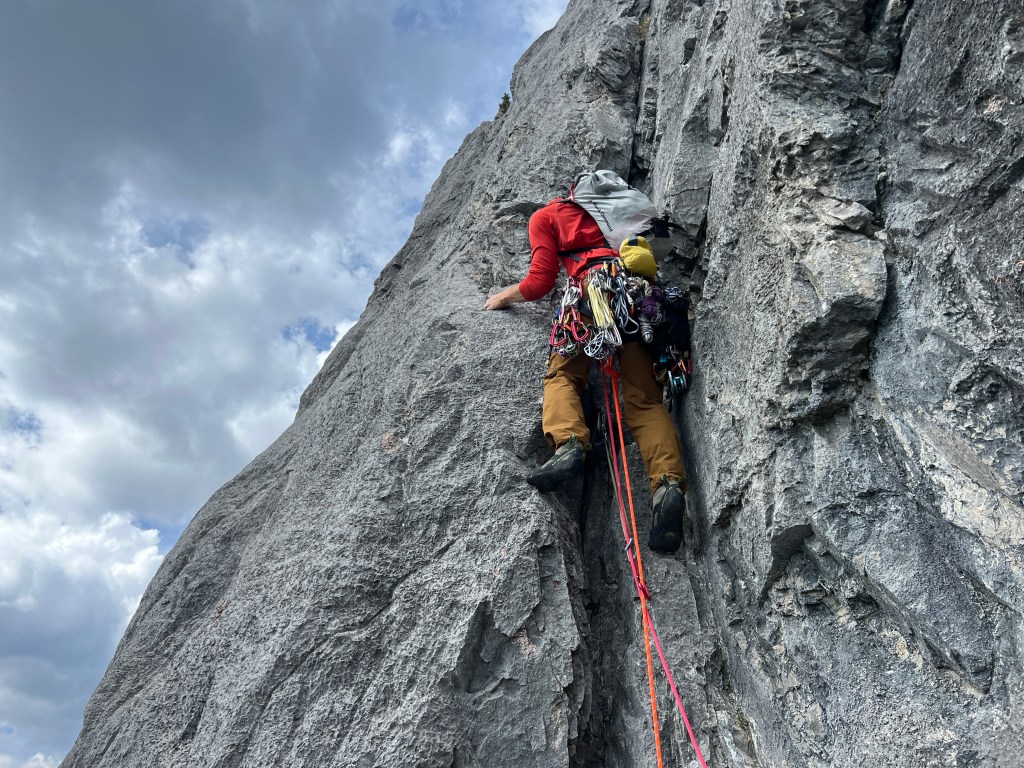
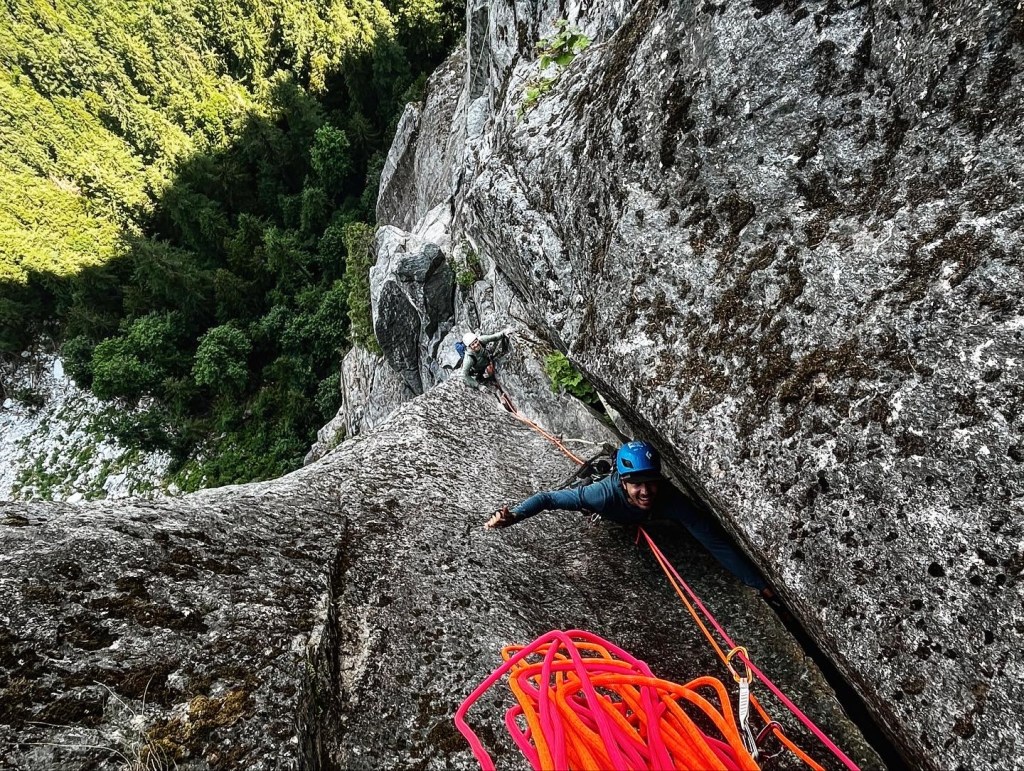
This will all be in a “coached” environment with feedback at the top of every pitch. Including advice and feedback on your gear, your rope management, client “coaching”, and route finding (micro & macro) – or anything else the guide has noticed. This is in my opinion the most valuable part of the course and the time to ask the most questions, practice techniques, and overall just be open and willing to lead out.
You get back what you put in.
Some Key Take-aways:
- Focus on coaching, if you reach a crux, mention it. If there’s a difficult to find hold or a key foot, give it a “tick” with some chalk. (Some examiners want more coaching, some less – if in doubt start strong and let them tell you “I’m sufficiently coached)
- When you finish your pitch and reach the next station, build your anchor, tie in and then give yourself a full-minute to compose. Take a look at the next pitch, come up with a plan (where do you want each “client” to stand, how will you take off from the belay, where to stack the ropes etc.) and THEN call down “secure”. This really helped my rope & station management and honestly from the previous belay 1-minute isn’t going to change much and it’ll improve your efficiency overall.
- Always take one last look at the route description or topo before leading off… it sucks getting off route for your own confidence, and the confidence of your team.
How to Show Up Prepared
Physical
Firstly, show up healthy. This includes physical health, mental health, your nutrition, and your overall feelings. Get out climbing in the spring as much as you can. Get your endurance and finger strength up, crag locally, make an April trip to Skaha, maybe even head down to the states (I did a 2-week trip to AZ). But make the climbing strength portion of your course a no-brainer.
Everyone is going to be different and certainly there were people on my course that were climbing near their limit at 5.11-, however, I felt pretty good and confident going in to the course with an onsight grade of 5.11+ and plenty of spring mileage under my belt. I felt I was able to really focus on the course skills and techniques that were taught and could think about my gear and rope management without a worry if I could physically lead the pitch.


If you can lock in some accommodation and meal-prep before your course start you’ll also save yourself plenty of headspace to focus on integrating what you’ve learned and prepping for the next day (I made so…so many burrito’s). There’s lots of mental prep that is done in the evening (especially during multi-pitch days) so just lessen your workload as much as you can in other ways.
Gear
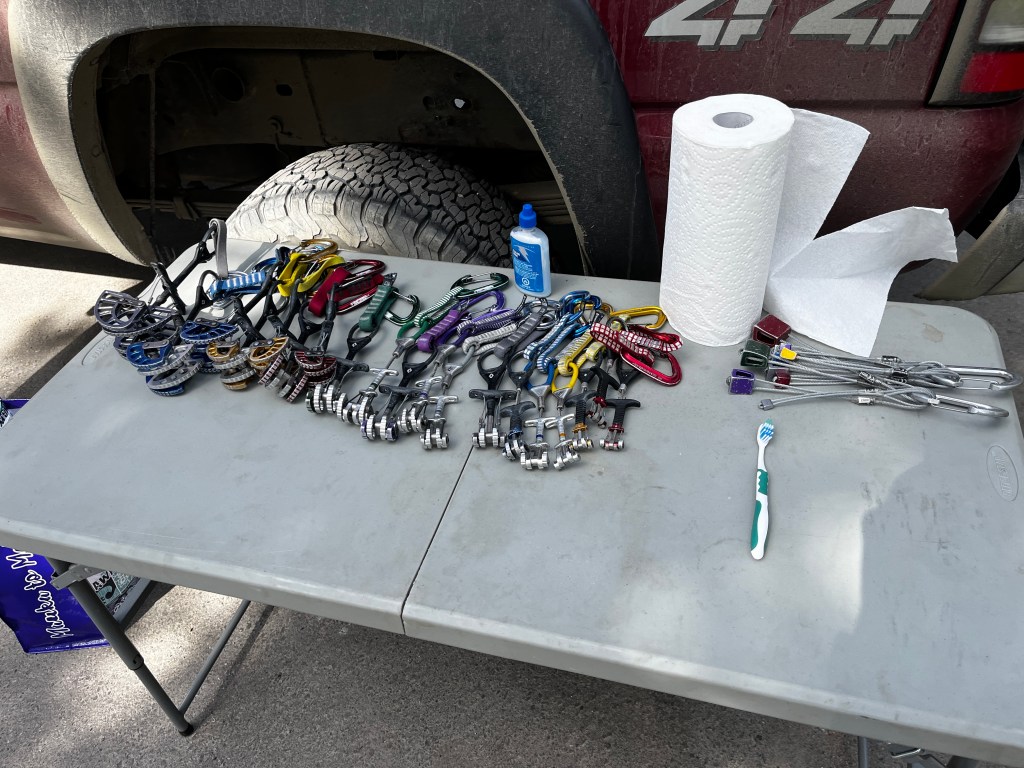
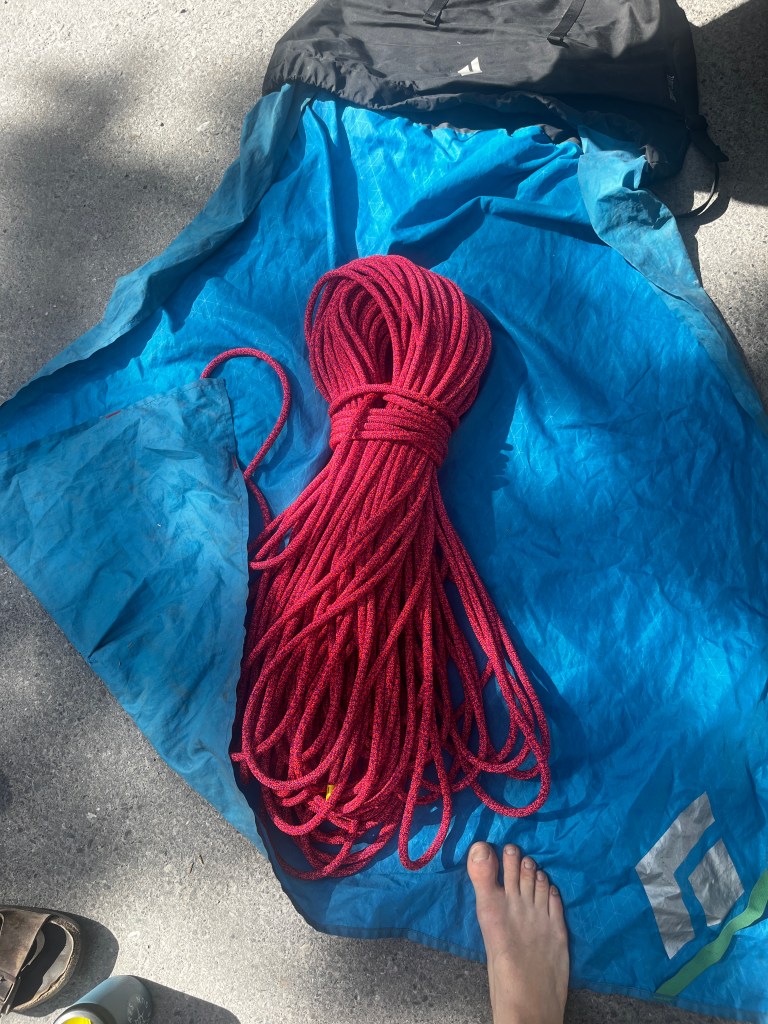
Ideally, you show up with relatively fresh gear. This would include relatively newer gear (max 5-10yo), clean cams properly lubed, softgoods within their recommended range (<5 years), and just generally looking “Dialed”. Have a larger daypack, a decent multi-pitch pack, and something to easily write and take notes with.
The gear & equipment list will be provided pre-course so getting everything together shouldn’t be too much of an issue.
Attitude
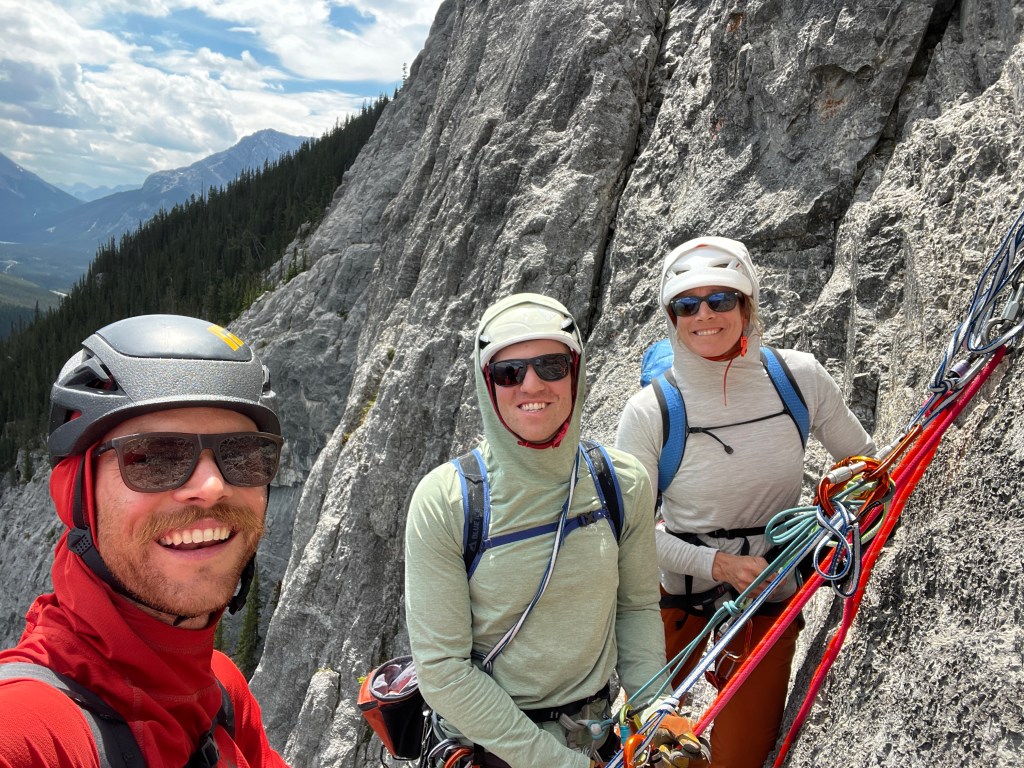
You know we climbers can be a weird bunch, and coupled with the stereotypical “alpha” attitude guides get labelled you can have some interesting interactions. There will be a mixture of different skill and experience levels, as well as ages. Going in with a humble attitude that’s just stoked to learn some skills I think provides the greatest benefit.
And remember, we’re all there to have fun and learn more about climbing, which we friggin’ love!
-

The Apprentice Rock Guide’s Exam (Rockies)
The post provides a comprehensive guide to preparing for the ARG Exam (Rockies). It discusses the multiple facets of training effectively, including role playing, climbing, rescue scenarios, and training with various partners and in different weather conditions. It underscores the importance of enjoyment, learning, adaptability, and overcoming stress as key components of the training process.…
-
Guides Training Rock (GTR Rockies)
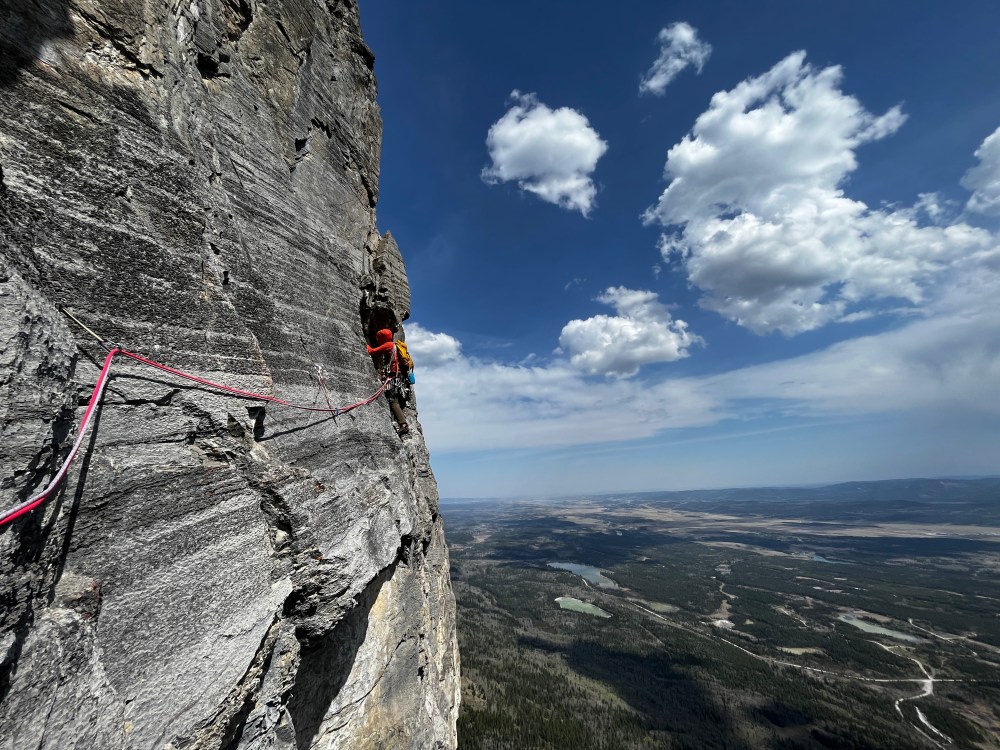
The course is after all, A COURSE. So while you’ll be expected to demonstrate some competencies, mostly the morning consist of you watching and learning as the instructors demo skills & techniques
-
What it took me to get into the Guides Training Rock (GTR)?
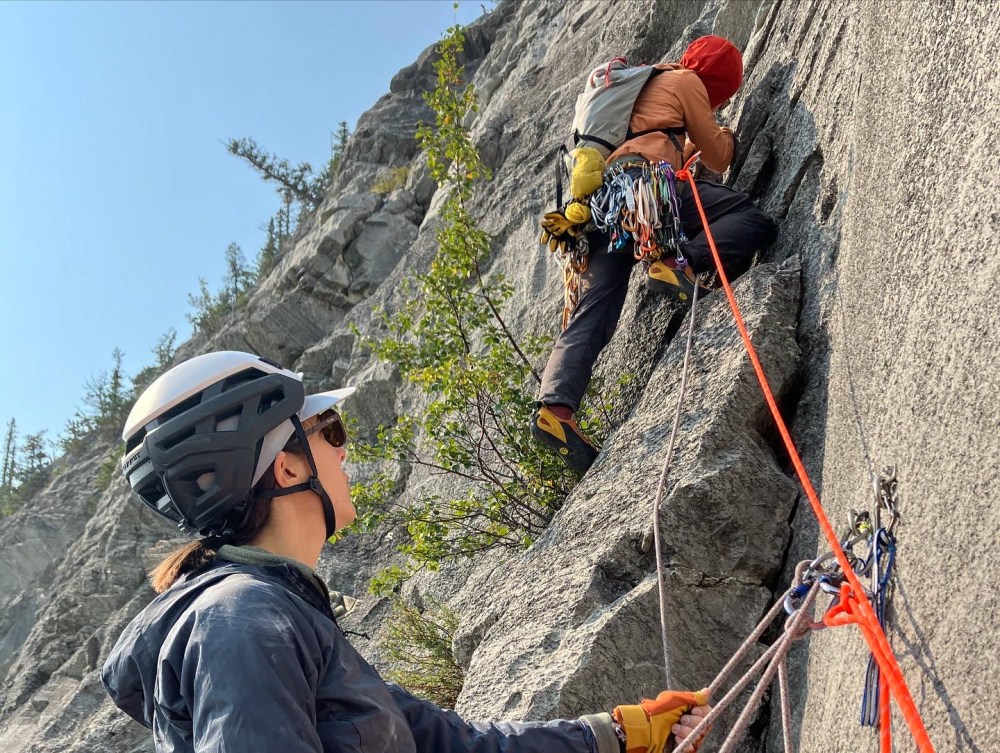
You are going to need partners that are willing to let you take the wheel on objectives, jump on those crux pitches, and are overall supportive & stoked!
 of Backpacks and Beards